GDP growth rates have been erratic because of the stop-go effects of lockdowns, but the economy is in reasonable shape to cope with the latest episode.
Unsurprisingly, retail spending fell off a cliff during the latest level four lockdown. Early signs point to a swift recovery, but, inflation may dampen spirits.
The construction industry has been performing strongly in 2021. But the latest COVID-19 outbreak could have a dampening impact on the industry, especially in Auckland.
Many believe faster inflation is inevitable in New Zealand. But, could it be that it’s already well underway for parts of our economy, particularly our businesses?
Annual inflation increased to 3.3 percent in June 2021, the biggest increase in nearly 10 years. New Zealand’s period of low interest rates looks to be coming to an end.
Low-income New Zealanders are stuck at the mercy of inflation, and increasing rental prices. Is there any chance of them owning their own home amidst this housing crisis?
The Climate Change Commission provided its final climate change mitigation advice to the Government detailing the pathway towards a low emissions future for Aotearoa.
Budget 2021 addresses the challenges facing vulnerable communities. However, it fails to take the opportunity to use the strong recovery to be transformational.
Finance Minister says Budget 2021 will take a balanced approach that continues to emphasise investment where it is needed most, alongside careful fiscal management.
The unemployment rate has been slowly decreasing recently. But, could it be that this decrease is just a front, covering for more negative changes in our labour market?
Government spending on superannuation and benefits is growing rapidly, but it is not something that can easily be controlled, except through unpalatable policy measures.
New Zealand’s underinvestment in transport infrastructure has been well documented. How does the Government’s spending in this area compare to population and GDP growth?
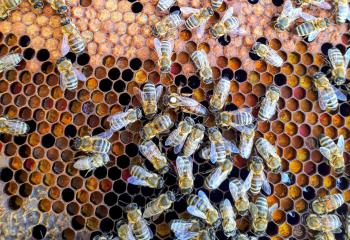
New Zealand honey exports have surged in terms of value and volume over the last two years. This has been driven by Manuka honey exports to China and the US.